Melshire Estates: Remodel Your Home Or Plan A Move?
July 2, 2026
July 2, 2026
If your Melshire Estates home no longer fits the way you live, you are not alone. Many owners in this part of North Dallas are weighing the same question: should you update the home you have, or put your energy into a move instead? The right answer depends on your home’s condition, your timeline, and how much change you really need. This guide will help you think through both paths with a clear, practical lens. Let’s dive in.
Melshire Estates is generally known as a North Dallas neighborhood between Preston Road and the Dallas North Tollway. The area developed largely in the 1950s, and it still includes many ranch-style homes, along with newer custom-built properties added over time.
That mix matters when you are deciding whether to remodel or move. A home may feel dated because of finishes, layout, or deferred maintenance, but that does not always mean it needs a full reinvention. In a neighborhood where older homes and newer builds coexist, the goal is often to understand whether your house needs strategic updates or whether your needs have outgrown the structure itself.
D Magazine’s neighborhood profile estimates a median year built of 1973. That gives helpful context for many Melshire Estates owners who are dealing with aging roofs, older kitchens and baths, or floor plans that may not fully match modern preferences.
As of May 2026, Realtor.com showed 15 homes for sale in Melshire Estates, with a median listing price of $2.536 million and a median 60 days on market. In a thin, premium inventory environment like that, condition and presentation can carry real weight when you compare remodeling costs with the costs of listing and moving.
Before you price contractors or browse new listings, step back and define what is actually driving the decision. In most cases, homeowners are not really choosing between paint colors and moving trucks. They are choosing between solving a lifestyle problem through renovation or solving it through a different home.
Ask yourself a few simple questions:
If your home is in the right location and your needs can be solved with selective improvements, remodeling may be the better path. If the issues involve major layout changes, a large addition, or highly specific design goals, moving may deserve a closer look.
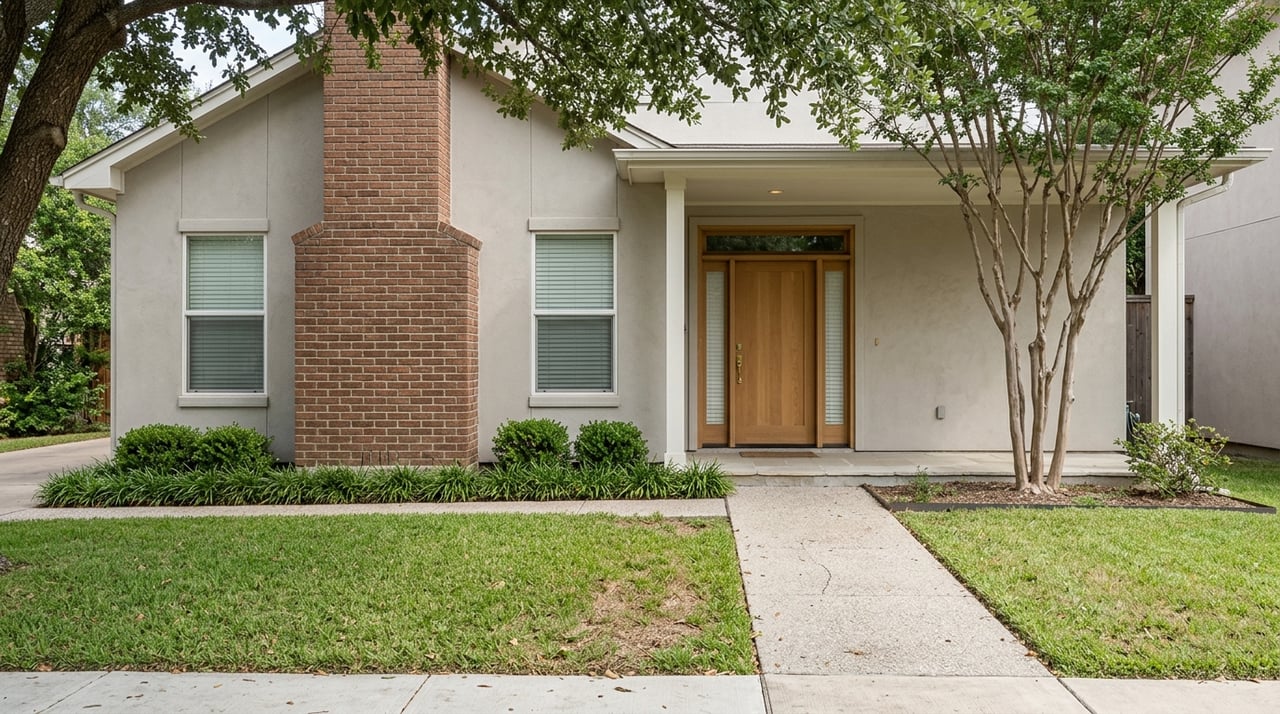
Remodeling often makes the most sense when you still love where you live and the house needs mostly practical updates. That can include paint, a roof replacement, a front door upgrade, exterior cleanup, or a modest kitchen or bathroom refresh.
Research points toward a clear pattern. Simpler exterior and maintenance-focused projects tend to hold up better from a resale standpoint than large, highly customized remodels. At the same time, buyers have become less willing to compromise on condition, which makes smart upkeep and visible updates even more important.
If you plan to stay for a while, the value of remodeling is not just financial. The 2025 NAR Remodeling Impact Report found that 64% of owners said they had a greater desire to be in their home after remodeling. That helps explain why a project can still be worthwhile even if resale return is not the only goal.
If you are trying to improve livability and protect future marketability, focus on the updates buyers notice first.
Most defensible project order for many Melshire Estates homes:
The strongest resale signals in the available research include:
The 2025 Cost vs. Value summary from Journal of Light Construction found that exterior replacement projects generally delivered stronger resale ROI than more discretionary interior remodels. It also noted that more complex projects tend to produce lower resale return because the finishes are often more personalized.
The 2025 NAR Remodeling Impact Report supports that pattern. The projects REALTORS® most often recommended before listing were painting the entire home, painting one room, and replacing the roof. The same report also said kitchen upgrades, new roofing, and bathroom renovations saw some of the biggest increases in buyer demand over the last two years.
Moving often makes more sense when your home would need large-scale changes to become what you want. If you are considering a major addition, a dramatic layout overhaul, or a full gut remodel with very specific finishes, the math may become harder to justify.
That does not mean those projects are wrong. It means they should be evaluated as lifestyle choices first, not easy resale wins. The more complex the project, the more likely it is that costs rise while future buyer appeal becomes narrower.
In practical terms, moving may be the better option if:
For many Melshire Estates homeowners, this becomes a comparison of three numbers: renovation cost, likely resale benefit, and the cost of buying a different North Dallas home that already meets more of your needs.
Your timeline matters just as much as your budget. A homeowner planning to sell in the near future should think differently than one planning to stay for many years.
If you expect to list soon, a light pre-listing refresh is often the safer move than a luxury overhaul. Fresh paint, visible maintenance, roof condition, and a clean, current presentation can do more for marketability than a deeply customized remodel.
If you plan to stay longer, a larger project may still make sense because you will have more time to enjoy it. In that case, the decision can be based more on your lifestyle than on short-term resale recovery alone.
Before you commit to a remodel, make sure you understand whether permits are required. The City of Dallas says a residential permit is the official approval needed to begin construction, renovation, or major repairs.
The city also notes that some nonstructural interior remodeling of single-family or two-family homes does not require a permit if it does not add floor area or change exterior doors or windows. Additions and new construction follow separate approval steps.
That means a simple cosmetic refresh may be relatively straightforward, while a project involving structural changes, expansions, or exterior modifications may require more time and coordination. If your remodel-versus-move decision feels close, the permit path can influence how practical the remodel really is.
This is one detail many owners overlook. Dallas Central Appraisal District says it appraises each property at least once every three years and can reappraise more often in active markets.
DCAD also explains that if you add improvements through remodeling or an addition, taxes can rise on the new improvements. Homestead properties still benefit from the Texas 10% annual cap on appraised value growth, but updates can still affect your taxable value.
If you are comparing remodeling with moving, include this in your planning. The real cost of a project is not just contractor bids. It can also include future tax impact tied to the improvements.
Budget is not only about total cost. It is also about how the work will be paid for and how comfortable that funding approach feels to you.
According to the 2025 NAR Remodeling Impact Report, 54% of consumers used a home equity loan or line of credit to pay for remodeling, 29% used savings, and 10% used credit cards. That shows how often remodeling decisions are tied to equity access and borrowing strategy, not just design goals.
If a project would stretch your finances or rely on funding that feels too aggressive, moving may start to look more attractive. If you have strong equity and the update scope is focused, remodeling may be easier to justify.
If you feel stuck, use this practical framework.
Because the neighborhood includes older ranch-style homes as well as newer custom properties, the answer is rarely “renovate everything.” More often, the first step is bringing the home up to a clear market standard through visible maintenance and selective updates.
In many cases, that means starting with curb appeal, paint, roof condition, and practical kitchen or bath improvements. Those updates tend to support both daily enjoyment and future resale better than jumping straight into a large, personalized overhaul.
A thoughtful plan can save you from over-improving, under-preparing, or spending heavily on work that does not truly solve the problem you are trying to fix.
If you want help weighing renovation potential against the value of a move in Melshire Estates, Anthony Cedano can help you compare your options with a clear market-based strategy and a tailored plan for your next step.
Stay up to date on the latest real estate trends.
Get assistance in determining current property value, crafting a competitive offer, writing and negotiating a contract, and much more. Let me guide you through your home-buying journey.
ANTHONY CEDANO
5950 BERKSHIRE LN STE 100 DALLAS TX 75225