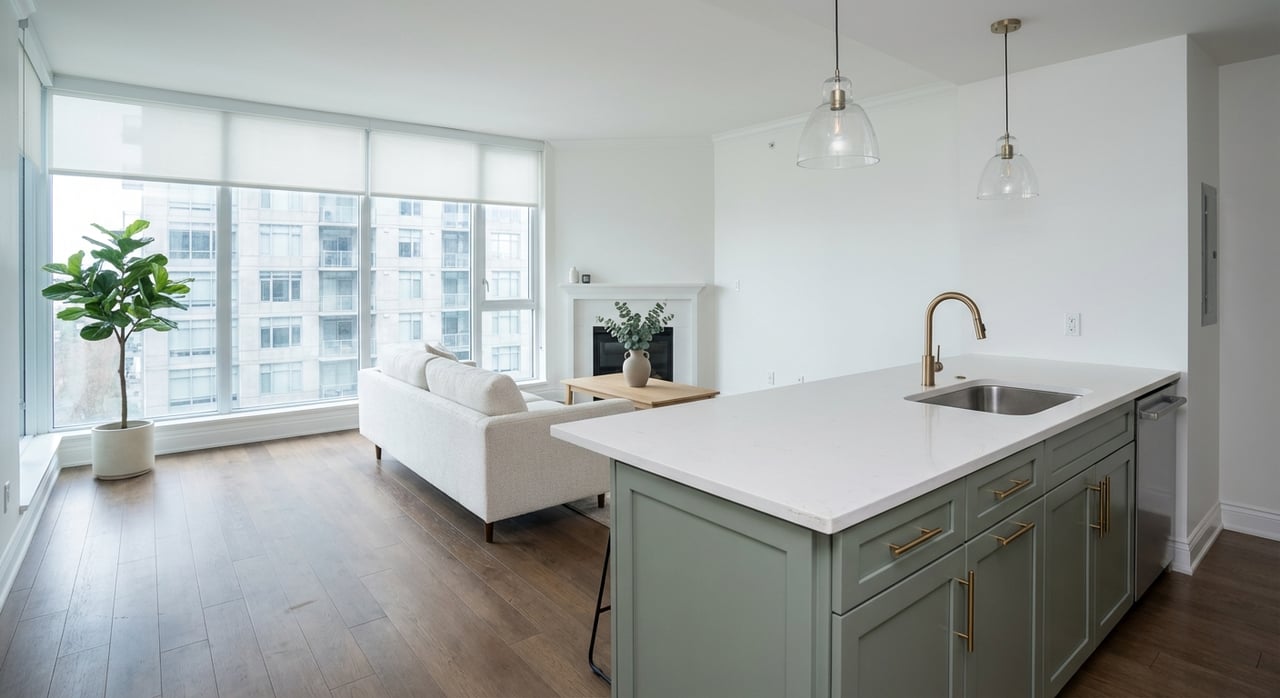
Buyer’s Guide to Turtle Creek High Rise Condos
February 19, 2026
February 19, 2026
Picture yourself stepping out your front door to tree-lined paths, skyline views, and quick access to the Katy Trail. If you want lock-and-leave living with hotel-level service or a refined mid-century vibe, Turtle Creek offers some of Dallas’ most appealing high-rise options. You may also be wondering how to compare buildings, what HOA documents to review, and how financing works for condos. This guide walks you through the essentials so you can buy with confidence in Turtle Creek. Let’s dive in.
Turtle Creek sits along Turtle Creek Boulevard in the Oak Lawn and Uptown area, with parks and greenbelt views that feel calmer than denser Uptown corridors. Many addresses are highly walkable, with convenient transit and bike access. For example, a central Turtle Creek address posts an 82 Walk Score that supports an easy, car-light lifestyle for professionals and downsizers. You get urban energy nearby without giving up greenery and space.
On pricing, Turtle Creek and nearby Uptown typically trade above the Dallas median on price per square foot, with a broad range of options. You’ll find everything from efficient resales in older towers to multi-million-dollar penthouses in luxury buildings. The right fit depends on your priorities for service level, amenities, and views.
Every Turtle Creek tower has a distinct service model and amenity mix. Here’s how to compare the main types you’ll see.
If you value white-glove convenience, look at full-service towers that offer robust staffing and hotel-adjacent perks. A good example is The Residences at The Stoneleigh, which promotes private elevator entries, concierge, pool, fitness center, and optional hotel-style services. These amenities are attractive but can mean higher monthly dues because staffing and operations cost more.
What to consider:
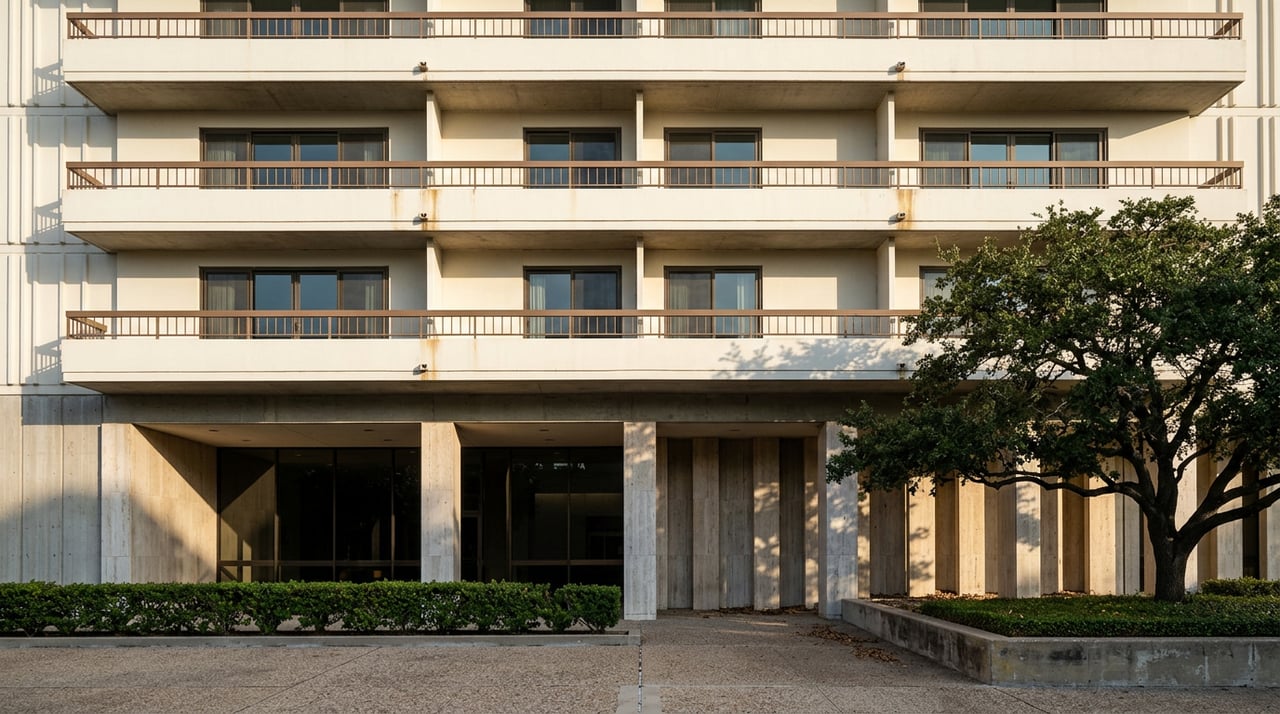
Modern glass towers put views and luxury finishes front and center. Floor-to-ceiling glazing, broad terraces, and refined common areas are common. Glass curtain walls require a different long-term maintenance playbook than masonry towers, including sealant and water-intrusion management, so healthy reserves and clear project planning matter.
What to consider:
Smaller, architecturally notable buildings like Gold Crest and The Beverly on the 3600 block offer character and scarce inventory. Unit counts are lower, and the design pedigree can command a premium per square foot. Dues structures may be simpler, and some buildings equalize certain costs across owners.
What to consider:
Use this quick list when you tour:
The association’s financial position and governance can affect your financing options, monthly stability, and resale value. During your option or contingency period, request and review the following:
Best-practice resources emphasize the value of updated reserve studies and transparent disclosure to buyers. Pay close attention to building age, facade systems, elevators, roof, and mechanical plants to understand near-term project risk.
Red flags to watch:
Condo financing depends on both you and the building. Agency eligibility can expand or shrink your loan choices and your future resale pool.
You can use FHA financing only if the building has an active FHA project approval or your lender secures a single-unit approval. FHA evaluates reserves, delinquency, insurance, and owner-occupancy, and approvals are time-sensitive. Always verify a building’s status early using HUD’s condominium lookup and coordinate with your lender.
Lenders use project review systems to determine whether a condo is eligible for delivery to the agencies. Freddie Mac’s Condo Project Advisor helps lenders assess reserves, litigation, commercial space, and critical repairs; certain waivers or unit-level exceptions may apply. If a building is non-warrantable, your options narrow to portfolio, jumbo, or cash.
Common underwriting checkpoints include minimum owner-occupancy, single-owner concentration, commercial space limits, and reserve funding rules. Some review types look for a budget line that allocates about 10 percent to reserves. Your lender will confirm the applicable review path and requirements for your target building.
Several factors can strengthen your long-term equity and marketability:
Even in a condo, you want rigorous due diligence. Here is how to cover your bases.
Hire an inspector who regularly evaluates urban high-rise units. In addition to a standard condo inspection, request building-level reports when available, such as facade or structural surveys, roof reviews, elevator service logs, and central mechanical plant records. Balconies, balcony railings, and window envelopes are common areas of concern in towers, so ask for any recent repair records and inspect these elements carefully.
Your building’s master policy typically covers common elements and some structural components. Your personal HO-6 condo policy fills gaps with interior coverage, personal property, liability, and loss assessment protection. Because some master policies use large percentage deductibles for major perils, consider HO-6 loss assessment limits that can absorb plausible deductibles. Flood and earthquake are usually excluded and require separate policies.
Before you close, assemble and verify:
When you have a short list, make a side-by-side comparison across five categories:
Buying in Turtle Creek is about matching your lifestyle to a service model you trust, then validating the building’s financial strength and maintenance track record. When you pair the right tower with a healthy HOA and the features you care about most, you set yourself up for a smooth purchase and strong long-term value.
Ready to tour your best-fit buildings or review HOA documents together? Reach out to Anthony Cedano for a focused, concierge-level condo consultation in Turtle Creek and the surrounding Dallas urban core.
Stay up to date on the latest real estate trends.
Get assistance in determining current property value, crafting a competitive offer, writing and negotiating a contract, and much more. Let me guide you through your home-buying journey.
ANTHONY CEDANO
5950 BERKSHIRE LN STE 100 DALLAS TX 75225