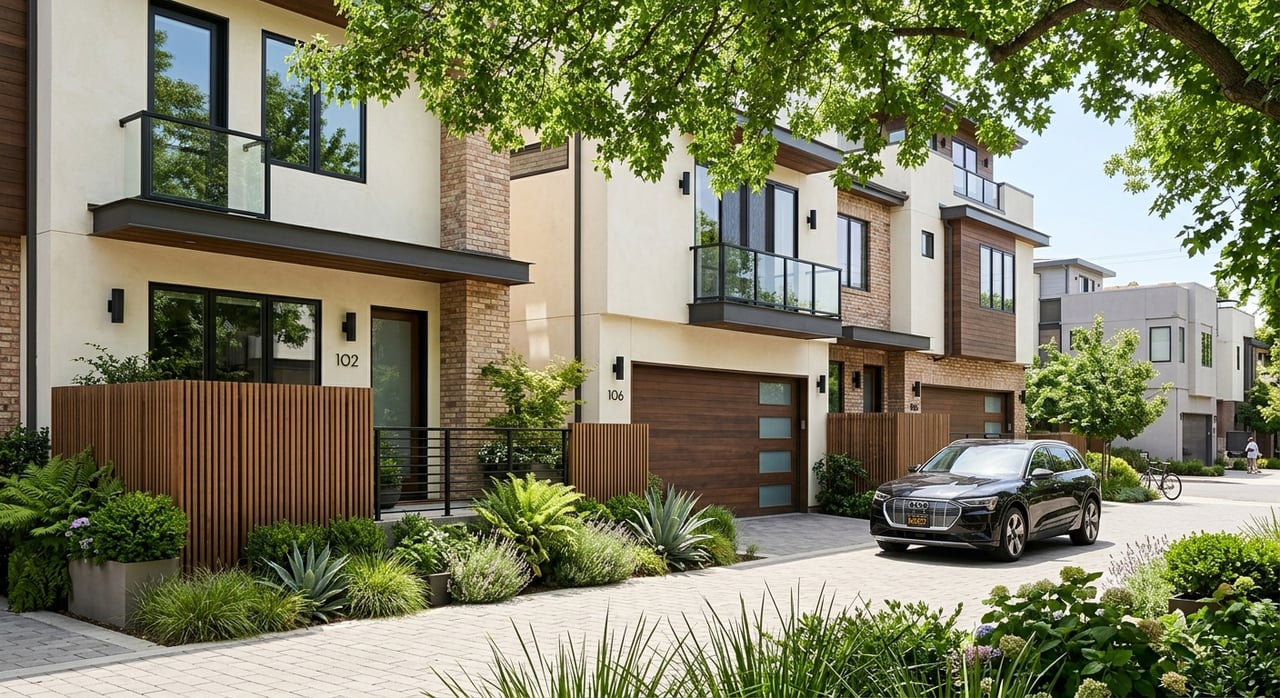
Luxury Townhomes In Uptown And Lower Greenville: Key Trends
April 16, 2026
April 16, 2026
If you are shopping for a luxury townhome in Dallas, Uptown and Lower Greenville probably keep rising to the top of your list. That makes sense. Both areas offer a more urban, low-maintenance lifestyle, but they deliver it in slightly different ways. If you want to understand what is driving prices, which features matter most, and how to compare options with confidence, this guide will help you sort through the key trends. Let’s dive in.
A simple way to define “luxury” in this market is to compare local pricing with the broader Dallas-Fort Worth townhome market. According to the Texas A&M Real Estate Center’s DFW market report, the March 2025 median price for townhomes across DFW was $399,995, with 5.0 months of inventory and 101 days to sell.
In Uptown and Lower Greenville, recent examples sit well above that metro median. Research examples include Uptown and State Thomas listings around $749,500 to $775,000, while Lower Greenville examples have ranged from about $599,900 to $665,000. That price gap is a strong signal that buyers are paying not just for square footage, but for location, design, and a specific lock-and-leave lifestyle.
The broader Texas market entered 2026 with rising inventory, softer demand, and continued pricing pressure, based on the same Texas Housing Insight data. For you, that creates a more selective buying environment than the frenzy many buyers remember from the pandemic-era peak.
In practical terms, this means you may have more room to compare finishes, HOA structures, and true lifestyle value before making a move. In luxury urban housing, that matters because two homes with similar list prices can deliver very different ownership experiences.
Uptown continues to attract buyers who want a polished, walkable city setting. As outlined in Redfin’s Uptown neighborhood overview, the area is known for access to the Katy Trail, West Village, McKinney Avenue, the trolley, and nightlife.
That lifestyle is reflected in the townhome product itself. Current and recent listings point to brownstone-inspired exteriors, three-level layouts, open living areas, large windows, skyline views, and attached garages. These features support a more vertical, urban style of living that feels private while keeping you close to restaurants, retail, and recreation.
In Uptown, buyers often place a premium on features that support convenience and entertaining. The most common value drivers include:
If you travel often or want a residence that feels streamlined day to day, these details can justify the higher price point.
Lower Greenville offers a different kind of energy. According to Redfin’s Lower Greenville neighborhood overview, the area is recognized for its walkability, dining scene, and local landmarks like Granada Theater and Truck Yard.
The housing trend here leans more modern. Recent listings show three- and four-story townhomes with rooftop terraces, private fenced yards, open-concept interiors, quartz counters, high-end appliances, smart home features, EV charging, and flex rooms that can function as offices or guest spaces.
For many buyers, Lower Greenville luxury is less about formal styling and more about flexible modern living. Features that commonly support premium pricing include:
That mix appeals to buyers who want a home that works for both everyday life and hosting, without the upkeep of a larger lot.
One of the biggest shifts in these neighborhoods is how buyers think about outdoor living. In many luxury townhomes, outdoor space no longer means a traditional backyard. It may mean a rooftop terrace, balcony, or compact private patio instead.
That change matters because it fits how many Uptown and Lower Greenville buyers actually live. You may want room for morning coffee, evening gatherings, or extra daylight, but not the time commitment that comes with maintaining a full yard. In these neighborhoods, outdoor space is often part of the lifestyle package rather than a land-value play.
When you compare luxury townhomes in Uptown and Lower Greenville, the layout is only part of the story. The ownership structure can affect your monthly costs, financing path, exterior control, and long-term maintenance responsibilities.
The U.S. Census classifies row or townhouse housing as side-by-side units with shared walls, while Fannie Mae describes a townhome as an attached two- or three-level home. A condo-style property may look similar from the street, but the legal structure is different, and that can influence what the association maintains and what lenders review.
For lock-and-leave buyers, the choice often comes down to how much independence you want balanced against how much maintenance you want to avoid. The tradeoffs look like this:
| Property type | Typical appeal | Typical tradeoff |
|---|---|---|
| Townhome | More space and a house-like feel with some shared maintenance | Shared walls and possible HOA obligations |
| Condo | Lower-maintenance ownership with broader building services | Less exterior control and more project-level HOA considerations |
| Single-family | Maximum autonomy and private lot control | More direct upkeep and maintenance responsibility |
As Bankrate explains, townhomes often sit in the middle. In Uptown and Lower Greenville, that middle ground is exactly the draw for many buyers.
If there is one trend that deserves extra attention, it is HOA structure. The Consumer Financial Protection Bureau notes that HOA dues are usually paid separately from your mortgage and can range from a few hundred dollars per month to more than $1,000. Fannie Mae also explains that associations may maintain common areas, collect reserve funds, and issue special assessments over time.
Local examples show just how much variation you can see. Some Lower Greenville properties are marketed with no HOA at all. Others carry monthly or annual dues, such as a Lower Greenville condo-style unit with a $285 monthly HOA, a State Thomas unit with a $453 quarterly HOA, and an Uptown brownstone-style home with a $4,000 annual HOA.
Instead of asking only, “How much is the HOA?” you should also ask:
Those answers can tell you more about real monthly value than the dues figure alone.
Not every higher list price is justified in the same way. In these neighborhoods, buyers often pay a premium for a small group of recurring features that support both lifestyle and resale appeal.
The most common premium drivers include rooftop terraces, skyline views, private outdoor space, attached garages, smart home systems, and upgraded kitchens. Walkability also plays a major role. In both Uptown and Lower Greenville, proximity to dining, trails, entertainment, and daily conveniences often matters as much as the finishes inside the home.
Because inventory conditions are more balanced than they were a few years ago, you can afford to be more analytical. That does not mean waiting forever. It means making sure the premium you pay lines up with the experience you want.
As you compare homes, focus on these questions:
For many buyers, the best luxury townhome is the one that makes daily life easier, not just the one with the flashiest finish package.
In Uptown, luxury townhomes tend to lean classic urban with brownstone styling, strong walkability, and a polished city feel. In Lower Greenville, the trend is more modern and lifestyle-flexible, often with rooftop decks, smart features, and design choices geared toward entertaining and work-from-home use.
Both neighborhoods can be excellent options if you want a lock-and-leave home with character, convenience, and less maintenance than a detached house. The key is knowing how to weigh price, ownership structure, HOA costs, and the features that truly support the way you live.
If you want help comparing townhomes in Uptown or Lower Greenville, or you want a tailored market consultation before you buy or sell, connect with Anthony Cedano. You will get clear guidance, responsive service, and a more personalized strategy for navigating Dallas luxury real estate.
Stay up to date on the latest real estate trends.
Get assistance in determining current property value, crafting a competitive offer, writing and negotiating a contract, and much more. Let me guide you through your home-buying journey.
ANTHONY CEDANO
5950 BERKSHIRE LN STE 100 DALLAS TX 75225