The 21-Foot Setback Melshire Estates Fought For in 2021 Just Shrank to Five
August 27, 2026
August 27, 2026
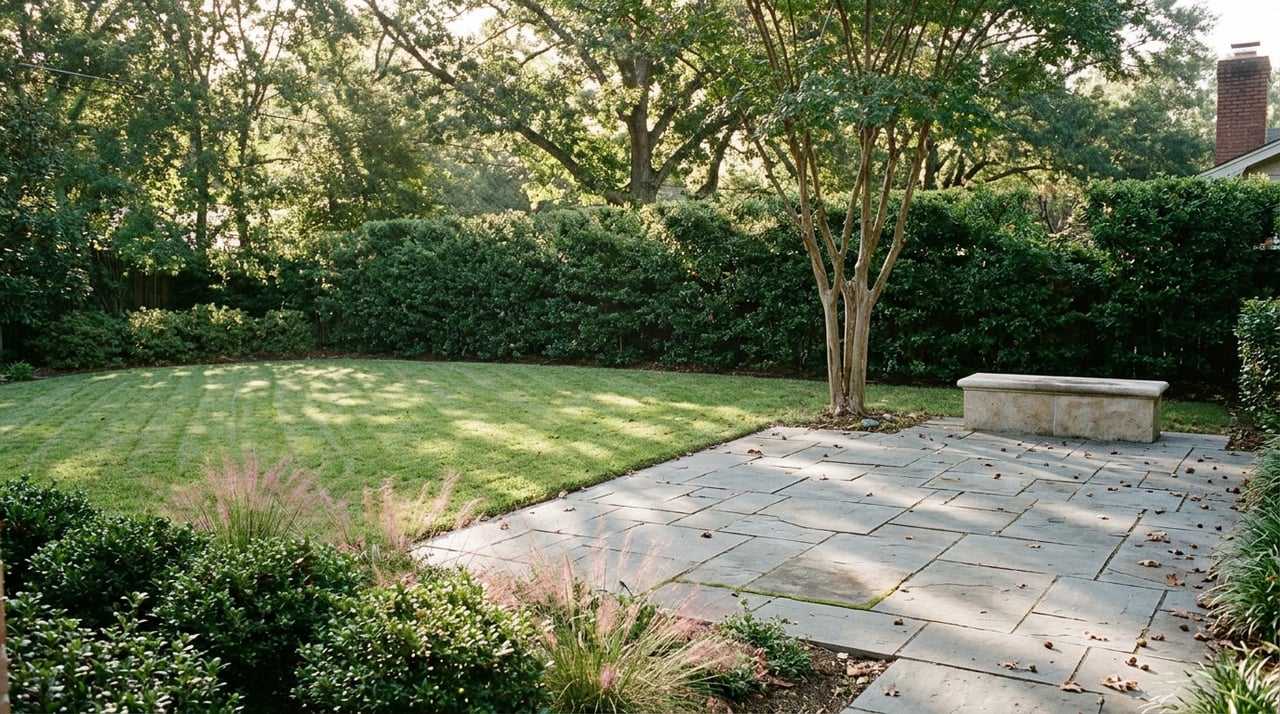
On August 12, the Dallas City Council voted 8-4 to let builders construct covered patios within five feet of the alley separating the new Melshire Park homes from the backyards of longtime Melshire Estates residents, according to People Newspapers. Five years earlier, when the same council approved the project in the first place, that alley carried a 21-foot buffer, a number neighbors had spent months negotiating into the zoning as one of the deal's core protections.
The change sounds small. It applies to patios, not the homes themselves, and the garages next to those patios have carried a 3-foot setback since 2021 anyway. This is the second time this particular line in the zoning has changed since the project was approved, and the amendment has become one focus of residents' organizing.
The block bordered by Forest Lane, Quincy Lane, and Nuestra Drive spent most of the 2010s in limbo. A church once stood there before its congregation relocated to Plano in 2010. The City of Dallas bought the lot with plans to replace the Preston Royal Branch Library, but funding for that project fell through, and the land sat vacant for nearly a decade while the city looked for a way to recoup its investment.
In 2019, a developer paid just under $4 million for the site with a plan to build a gated community. The existing platting allowed nine lots of at least 16,000 square feet, in keeping with the ranch-style homes that surround the block. The developer instead proposed 26 homes, each a minimum of 4,300 square feet, a density increase that set off the first major fight over this piece of land.
The Dallas City Council approved that rezoning in 2021, nearly tripling what the existing platting allowed. In exchange, the developer agreed to cap building height at two stories above grade and accept a larger setback from the alley than the neighborhood's older lots typically required.
District 13 council member Gay Donnell Willis framed the vote as a trade-off she was making reluctantly, on behalf of neighbors who had lived on those streets for decades. She noted at the time that residents had watched their surroundings shift from 2,300-square-foot homes toward structures double that size, mixing modern architecture into a block of long-standing traditional styles. Her support, she said, came down to the alternative: block this plan and risk an even denser one arriving without the same concessions attached.
That was the deal. Twenty-six homes instead of nine, two stories instead of more, a 21-foot setback for covered patios and other structures, and a 3-foot setback for garages along the alley behind homes where residents had lived for 40 or 50 years.
This August's amendment didn't touch the story cap or the home count. It touched exactly one number: how close a covered patio can sit to that alley.
| Structure | Setback before August 2026 | Setback after August 2026 |
|---|---|---|
| Garages | 3 feet | 3 feet (unchanged) |
| Covered patios | 21 feet | 5 feet |
| All other structures | 21 feet | 21 feet (unchanged) |
Nothing else in the 2021 package moved. But the fact that anything moved at all, four to five years after the original vote was framed as the compromise that would settle the matter, is what pulled this specific amendment into a much larger fight playing out across the district this month.
A coalition calling itself D13 Together formed in early August, drawing residents from Bluffview, Wimberley Court, Preston Hollow, and Melshire Estates. By the time it held its first public meeting at Northaven United Methodist Church, organizers said more than 4,000 constituents had signed on. The Melshire Park setback amendment wasn't the coalition's biggest target. That distinction belonged to a separate proposal at Preston Road and Royal Lane, where developers were seeking approval for towers reaching up to 19 and 18 stories on a site currently zoned for a maximum of 54 feet. But the coalition bundled all three of that month's contested zoning cases together, including a rezoning request at Walnut Hill and Betty Jane Lanes, and asked Willis for a single 120-day delay across all of them so residents could keep negotiating.
Willis declined the blanket request. In a letter dated August 11, she wrote that she didn't believe it would be responsible to impose a 120-day delay on three separate zoning cases simply because they had become the subject of political disagreement, and argued each case should be evaluated on its own circumstances. She pointed to the fact that residents had already shaped the Melshire Park proposal through meetings, calls, and direct engagement with her office and city staff.
D13 Together saw it differently. Preserve Preston Hollow member Doug Hazelbaker, who has become one of the coalition's most visible voices, described leaving meetings with Willis feeling dismissed. The group has since laid out the mechanics of a possible recall: five registered District 13 voters would need to notify the city secretary of their intent, triggering a 60-day window to collect signatures equal to 15 percent of the voters eligible in the last municipal election.
The Melshire Park vote proceeded on schedule Aug. 12 and passed regardless. The coalition had also been tracking the Walnut Hill and Marsh Lane case, which had been scheduled for a council vote August 25, and a related fight over the supermajority requirement for relocating Dallas City Hall, which was expected to come to a vote around August 26.
While the zoning fight plays out at City Hall, Melshire Park itself is close to done. Three homes in the development were listed as nearing completion as of this August, according to Redfin. The four original floor plans, which include options for dual primary suites, elevators, and Sub-Zero and Wolf appliances, were priced between $1.8 million and $2.5 million when construction began.
That range now looks conservative next to where the broader market has landed. As of this August, new-construction listings across Melshire Estates, Melshire Park included, carried a median list price of $2.69 million, with homes typically spending about 78 days on the market before drawing a single offer. What was pitched five years ago as a lower-maintenance, downsizing-friendly alternative to the neighborhood's larger custom homes is now priced closer to the middle of the market than the entry point.
The lesson from this month isn't that development came to Melshire Estates. That was decided in 2021. It's that the specific protections written into that approval can change through later zoning amendments.
If you live along that alley, or anywhere near a piece of land that went through a contested rezoning years ago, follow-up amendments are another part of the process worth watching.
If you're weighing what any of this means for a home you own near Melshire Park, or you're trying to understand how a shifting zoning landscape affects value on a specific block in Melshire Estates or nearby Preston Hollow, Anthony Cedano tracks these cases as they move through City Hall. Request a complimentary home valuation or market consultation to talk through what a specific zoning change means for your street, not just the district.
This article is general information, not legal, tax or financial advice. Consult a qualified professional about your situation.
Stay up to date on the latest real estate trends.
Get assistance in determining current property value, crafting a competitive offer, writing and negotiating a contract, and much more. Let me guide you through your home-buying journey.
ANTHONY CEDANO
5950 BERKSHIRE LN STE 100 DALLAS TX 75225